
 ,
Zbigniew Wiśniewski
,
Zbigniew Wiśniewski
 https://doi.org/10.31261/IJREL.2025.11.2.03
Článek představuje případovou studii vzdělávacího projektu vyvinutého v prostředí vizuálního programování Scratch, v jehož rámci studentka vytvořila simulaci šíření viru v samoobsluze během distanční výuky v období pandemie COVID-19. Projekt je příkladem konstrukcionistického učení prostřednictvím tvorby digitálního artefaktu, který propojuje rozvoj digitálních, výpočetních a občanských kompetencí. Byl použit kvalitativní přístup ve formě případové studie, zahrnující analýzu artefaktu (programového kódu), soutěžní dokumentace a retrospektivního polostrukturovaného rozhovoru s autorkou projektu.
Výsledky ukazují, že tvorba simulace v jednoduchém programovacím prostředí podporovala rozvoj výpočetního myšlení, seberegulovaného učení a reflexe nad sociálními aspekty pandemie. Projekt umožnil studentce nejen experimentovat s modelováním epidemiologických jevů, ale také rozvíjet smysl pro odpovědnost a občanské uvědomění prostřednictvím analýzy důsledků lidského chování ve veřejném prostoru.
Studie nabízí doporučení pro širší využití konstrukcionistických projektových metod ve vzdáleném a hybridním vzdělávání a pro začlenění sociálních simulací do učebních osnov informatiky a občanské výchovy. Hlavním omezením studie je její jedinečný charakter, který vyžaduje další srovnávací výzkumy v různých vzdělávacích a kulturních kontextech. Doporučují se rovněž dlouhodobé studie zaměřené na trvalé účinky žákovských projektů a roli reflexe po simulacích (debriefing). Zjištění potvrzují, že i jednoduché technologie založené na myšlence „učení se prostřednictvím tvorby“ mohou být účinným nástrojem rozvoje klíčových kompetencí 21. století v prostředí e-learningu.
##plugins.themes.libcom.download_files##
##plugins.themes.libcom.cit_rules##
##plugins.themes.libcom.share##



##plugins.themes.libcom.licence##

Tato práce je licencována pod Mezinárodní licencí Creative Commons Attribution-ShareAlike 4.0.
The Copyright Owners of the submitted texts grant the Reader the right to use the pdf documents under the provisions of the Creative Commons 4.0 International License: Attribution-Share-Alike (CC BY SA). The user can copy and redistribute the material in any medium or format and remix, transform, and build upon the material for any purpose.
1. License
The University of Silesia Press provides immediate open access to journal’s content under the Creative Commons BY-SA 4.0 license (http://creativecommons.org/licenses/by-sa/4.0/). Authors who publish with this journal retain all copyrights and agree to the terms of the above-mentioned CC BY-SA 4.0 license.
2. Author’s Warranties
The author warrants that the article is original, written by stated author/s, has not been published before, contains no unlawful statements, does not infringe the rights of others, is subject to copyright that is vested exclusively in the author and free of any third party rights, and that any necessary written permissions to quote from other sources have been obtained by the author/s.
If the article contains illustrative material (drawings, photos, graphs, maps), the author declares that the said works are of his authorship, they do not infringe the rights of the third party (including personal rights, i.a. the authorization to reproduce physical likeness) and the author holds exclusive proprietary copyrights. The author publishes the above works as part of the article under the licence "Creative Commons Attribution-ShareAlike 4.0 International".
ATTENTION! When the legal situation of the illustrative material has not been determined and the necessary consent has not been granted by the proprietary copyrights holders, the submitted material will not be accepted for editorial process. At the same time the author takes full responsibility for providing false data (this also regards covering the costs incurred by the University of Silesia Press and financial claims of the third party).
3. User Rights
Under the CC BY-SA 4.0 license, the users are free to share (copy, distribute and transmit the contribution) and adapt (remix, transform, and build upon the material) the article for any purpose, provided they attribute the contribution in the manner specified by the author or licensor.
4. Co-Authorship
If the article was prepared jointly with other authors, the signatory of this form warrants that he/she has been authorized by all co-authors to sign this agreement on their behalf, and agrees to inform his/her co-authors of the terms of this agreement.
I hereby declare that in the event of withdrawal of the text from the publishing process or submitting it to another publisher without agreement from the editorial office, I agree to cover all costs incurred by the University of Silesia in connection with my application.
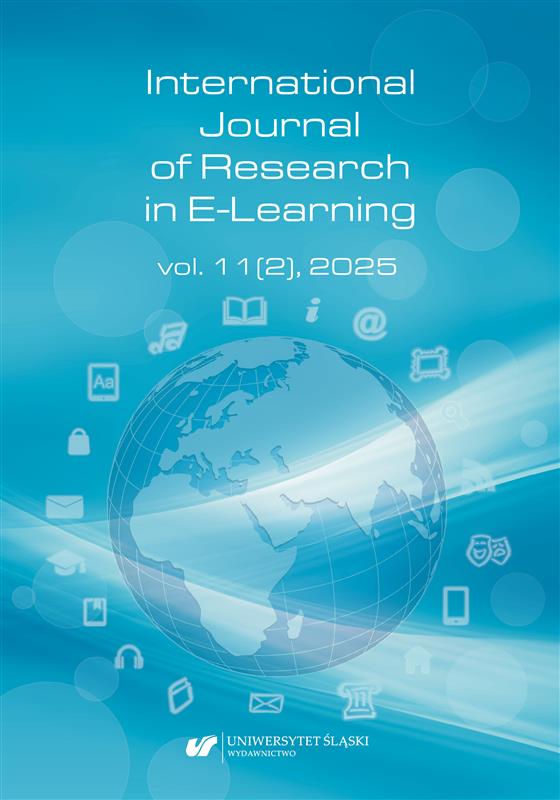
Vol 11 No 2 (2025)
##plugins.themes.libcom.datePublished##: 2025-12-31
Tato práce je licencována pod Mezinárodní licencí Creative Commons Attribution-ShareAlike 4.0.

 English
 Język Polski
 Русский
 Українська
 Español (España)
 Čeština
 Slovenčina