

 https://doi.org/10.31261/CHOWANNA.2006.27.09
W artykule autorka rozważa problem małej skuteczności tradycyjnej resocjalizacji poprzez izolację sprawcy przestępstwa, wobec jej zmiany na resocjalizację naprawczą wobec ofiar przestępstw. Współcześnie zarówno przestępczość nieletnich, jak i inne przejawy zachowań dewiacyjnych dzieci oraz młodzieży przybierają groźne formy i duże rozmiary. W związku z krytyką nieefektywności tradycyjnego systemu resocjalizacyjnego i tradycyjnych sankcji karnych (które nie przynoszą oczekiwanych rezultatów, a często wręcz powodują negatywne skutki - wysoki stopień powrotności do przestępstwa nieletnich w zakładach poprawczych, nieprzystosowanie społeczne, napiętnowanie przez społeczeństwo), ale także w związku z brakiem odpowiedniego pedagogiczno-psychologicznego przygotowania sędziów oraz pogłębiającym się procesem anomii wśród personelu placówek resocjalizacyjnych poszukuje się nowych metod oddziaływania resocjalizacyjnego. Do czynników tych dodać trzeba wysokie koszty utrzymania placówek resocjalizacyjnych. Można również odwołać się do uzasadnień teoretycznych - teorii naznaczenia społecznego (stygmatyzacji) oraz podkreślić rolę wiktymologii1, dyscypliny mającej w centrum zainteresowania ofiary przestępstw. To właśnie badania wiktymologiczne uświadomiły, że pora zahamować proces uprzedmiotowienia ofiar i rozpocząć przekształcanie w przeciwną stronę, w kierunku uczynienia z ofiary pełnoprawnego podmiotu procesu karnego. Dało to początek modelowi sprawiedliwości zadośćuczynieniowej - czy inaczej: naprawczej – której podstawowymi elementami są naprawienie szkody i mediacja. Sprawiedliwość naprawcza2 (ang. restorative justice) w odróżnieniu od sprawiedliwości karnej i koncepcji klasycznej nie nakłada kary oraz nie ma nic wspólnego z przypisywaniem winy.
Pobierz pliki
Zasady cytowania
Cited by / Share




Licencja

Utwór dostępny jest na licencji Creative Commons Uznanie autorstwa – Na tych samych warunkach 4.0 Miedzynarodowe.
Właściciele praw autorskich do nadesłanych tekstów udzielają Czytelnikowi prawa do korzystania z dokumentów pdf zgodnie z postanowieniami licencji Creative Commons 4.0 International License: Attribution-Share-Alike (CC BY-SA 4.0). Użytkownik może kopiować i redystrybuować materiał w dowolnym medium lub formacie oraz remiksować, przekształcać i wykorzystywać materiał w dowolnym celu.
1. Licencja
Wydawnictwo Uniwersytetu Śląskiego zapewnia natychmiastowy otwarty dostęp do treści swoich czasopism na licencji Creative Commons BY-SA 4.0 (http://creativecommons.org/licenses/by-sa/4.0/). Autorzy publikujący w tym czasopiśmie zachowują wszelkie prawa autorskie i zgadzają się na warunki wyżej wymienionej licencji CC BY-SA 4.0.
2. Oświadczenie Autora
Autor deklaruje, że artykuł jest oryginalny, napisany przez niego (i współautorów), nie był wcześniej publikowany, nie zawiera stwierdzeń niezgodnych z prawem, nie narusza praw innych osób, jest przedmiotem praw autorskich, które przysługują wyłącznie autorowi i jest wolny od wszelkich praw osób trzecich, a także, że autor uzyskał wszelkie niezbędne pisemne zgody na cytowanie z innych źródeł.
Jeśli artykuł zawiera materiał ilustracyjny (rysunki, zdjęcia, wykresy, mapy itp.), Autor oświadcza, że wskazane dzieła są jego dziełami autorskimi, nie naruszają niczyich praw (w tym osobistych, m.in. prawa do dysponowania wizerunkiem) i posiada do nich pełnię praw majątkowych. Powyższe dzieła udostępnia jako część artykułu na licencji „Creative Commons Uznanie autorstwa-Na tych samych warunkach 4.0 Międzynarodowe”.
UWAGA! Bez określenia sytuacji prawnej materiału ilustracyjnego oraz załączenia stosownych zgód właścicieli majątkowych praw autorskich publikacja nie zostanie przyjęta do opracowania redakcyjnego. Autor/autorka oświadcza równocześnie, że bierze na siebie wszelką odpowiedzialność w przypadku podania nieprawidłowych danych (także w zakresie pokrycia kosztów poniesionych przez Wydawnictwo UŚ oraz roszczeń finansowych stron trzecich).
3. Prawa użytkownika
Zgodnie z licencją CC BY-SA 4.0 użytkownicy mogą udostępniać (kopiować, rozpowszechniać i przekazywać) oraz adaptować (remiksować, przekształcać i tworzyć na podstawie materiału) artykuł w dowolnym celu, pod warunkiem, że oznaczą go w sposób określony przez autora lub licencjodawcę.
4. Współautorstwo
Jeśli artykuł został przygotowany wspólnie z innymi autorami, osoba zgłaszająca niniejszy formularz zapewnia, że została upoważniona przez wszystkich współautorów do podpisania niniejszej umowy w ich imieniu i zobowiązuje się poinformować swoich współautorów o warunkach tej umowy.
Oświadczam, że w przypadku nieuzgodnionego z redakcją i/lub wydawcą czasopisma wycofania przeze mnie tekstu z procesu wydawniczego lub skierowania go równolegle do innego wydawcy zgadzam się pokryć wszelkie koszty poniesione przez Uniwersytet Śląski w związku z procedowaniem mojego zgłoszenia (w tym m.in. koszty recenzji wydawniczych).
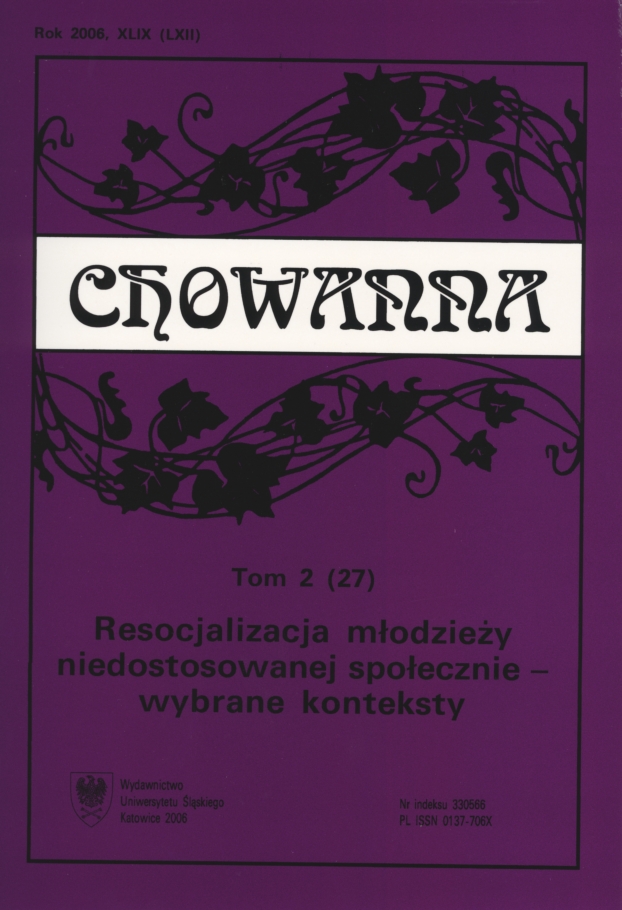
Nr 2 (27) (2006)
Opublikowane: 2020-08-12
Utwór dostępny jest na licencji Creative Commons Uznanie autorstwa – Na tych samych warunkach 4.0 Miedzynarodowe.

 English
 Język Polski