Data di pubblicazione:
08-01-2025
|
Abstract
| p. 9-24
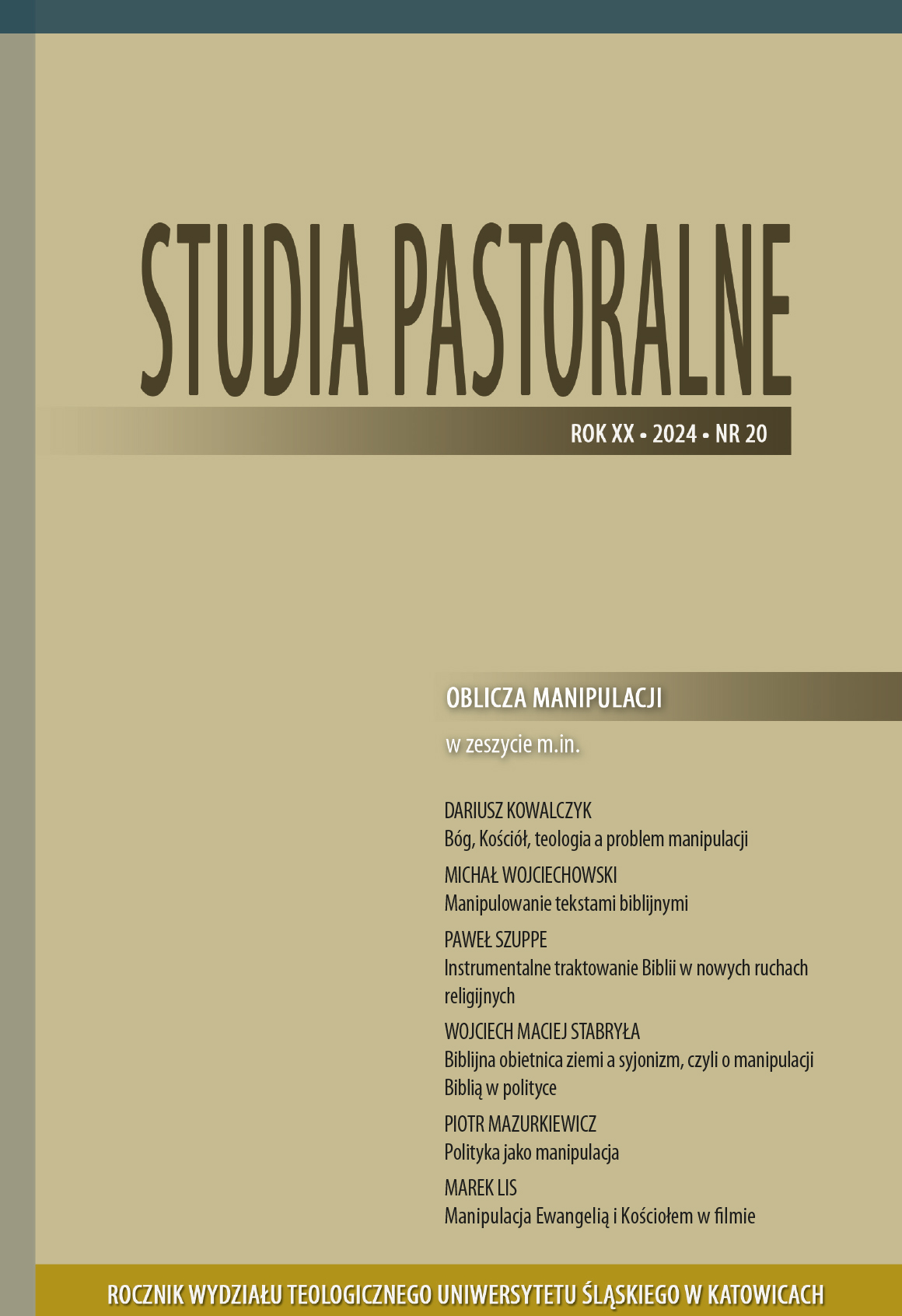
Manipulacja jest grzesznym działaniem albo też może być wynikiem po prostu ograniczoności człowieka, który nie zawsze jest zdolny, by z pełną świadomością rzeczy odpowiadać na docierające do niego informacje i przesłania. Rozwój katolickiej doktryny, który dokonuje się m.in. przez refleksję teologiczną oraz rozstrzygnięcia Magisterium Kościoła, nie jest wolny od manipulacji w obydwu tych znaczeniach. Niekiedy dochodzi do manipulacji w wyniku tzw. dobrych intencji, które mogą wypływać zarówno z „konserwatywnej”, jak i „postępowej” wizji katolicyzmu. W każdym takim przypadku u podstaw znajduje się jakiś rodzaj podejrzenia, że pozostawienie ludzi wolnymi może ich poprowadzić w niewłaściwym kierunku i odwieźć od prawdy. Bóg jednak, zapraszając człowieka do relacji miłości, odwołuje się do jego wolności. Dlatego też działa w sposób kenotyczny, co w najwyższym stopniu widzimy w misterium paschalnym.
Data di pubblicazione:
08-01-2025
|
Abstract
| p. 25-36
Biblia jest doceniana w naszej cywilizacji, ale bywa nieprawidłowo rozumiana. Poprawne podstawowe znaczenie tekstów biblijnych można ustalić metodami literackimi i historycznymi, ale znaczenie to bywa wypaczane z przyczyn ideologicznych i wyznaniowych. Poszukiwanie głębszego sensu może prowadzić do wyjaśnień subiektywnych. Sekty często wyrywają cytaty biblijne z ich właściwego kontekstu. Wypowiedzi i sytuacje z Biblii bywają stosowane nieprawidłowo do problemów obecnych. Są też nadużywane w propagandzie postępowej. Nie dopuszczajmy do manipulacji i nie stosujmy manipulacji! (Mt 10,16).
Data di pubblicazione:
08-01-2025
|
Abstract
| p. 37-46
Artykuł przedstawia instrumentalne podejście do Biblii występujące w nowych ruchach religijnych, czyli wewnętrznie zróżnicowanych organizacjach, które powstały na przełomie lat 60. i 70. XX stulecia. Oferują one pewien rodzaj odpowiedzi na fundamentalne pytania natury religijnej, duchowej, filozoficznej. Wywierają znaczący wpływ na życie swoich wyznawców. W kwestii interpretacji Pisma Świętego charakteryzują się podejściem ahistorycznym, irracjonalnym, symbolicznym. Nadają tekstom biblijnym własną treść oraz wyciągają wnioski sprzeczne z eklezjalną hermeneutyką.
Data di pubblicazione:
08-01-2025
|
Abstract
| p. 47-59
Artykuł stanowi studium użycia biblijnego wątku ziemi obiecanej w dyskursie politycznym obecnym w syjonizmie. Podzielony został na trzy części: 1. Biblijna obietnica ziemi, 2. Syjonistyczne prawo do ziemi, 3. Religijny sprzeciw wobec syjonizmu. Jego celem było przyjrzenie się jednemu aspektowi argumentacji używanej w syjonizmie, mianowicie posługiwaniu się kategorią teologiczną we współczesnym dyskursie politycznym. Podejście takie z teologicznego punktu widzenia nie jest poprawne, gdyż stanowi nadużycie tekstów biblijnych, bez uwzględnienia ich właściwego kontekstu historycznego i teologicznego.
Data di pubblicazione:
08-01-2025
|
Abstract
| p. 60-72
Autor podejmuje kwestię manipulacji w polityce. Najpierw definiuje pojęcie manipulacji, a następnie analizuje dwie klasyczne koncepcje polityki: Arystotelesa i Machiavellego. O ile Arystoteles stwierdza, że człowiek niemoralny nie jest w stanie być politykiem, o tyle Machiavelli twierdzi, że książę musi „potrafić nie być dobrym”. Jest to konsekwencją jego przekonania, że większość poddanych to egoiści, którzy w imię własnej korzyści potrafią wybrać to, co jest szkodliwe dla państwa, a także w dłuższej perspektywie dla nich samych. Kluczowym pojęciem wyjaśniającym ten fakt jest „oślepienie” i „samooszukiwanie’. Autor następnie zastanawia się, dlaczego niektórzy ludzie odporni są na próby manipulacji ze strony polityków. Na zakończenie zaś analizuje dwa oblicza demokracji: zbawcze i pragmatyczne.
Wojciech Cwalina
,
Paweł Koniak
,
Krzysztof Jan Leoniak
Data di pubblicazione:
08-01-2025
|
Abstract
| p. 73-90
Artykuł przedstawia perswazję polityczną w ujęciu psychologii społecznej. Szczególną uwagę poświęcono dwóm strategiom wpływu: wieloznaczności przekazów politycznych oraz stronniczemu narzucaniu ram interpretacji zagadnień politycznych. Przedstawione zostały typologie tych strategii i ich przykłady. Celem ich prezentacji jest edukacja odbiorców komunikacji politycznej i ułatwienie im identyfikacji zabiegów manipulacyjnych używanych w dyskursie politycznym. Ponadto opisane zostały sposoby obrony przed manipulacją polityczną, ze szczególnym naciskiem na motywację do uważnej analizy komunikatów perswazyjnych wykorzystywanych przez polityków i innych agentów wpływu społecznego.
Data di pubblicazione:
08-01-2025
|
Abstract
| p. 91-102
Twórcy kina, medium z natury swej opartego na iluzji, często posługują się manipulacją: odkryć ją można m.in. w filmach o tematyce religijnej, odnoszących się do Kościoła oraz samej postaci Jezusa Chrystusa. Artykuł wskazuje manipulacje obecne w kilku wybranych filmach ostatnich lat: Chata (2017) – odczytywana jako film religijny przedstawia np. sfałszowany obraz antropomorficznej Trójcy św. oraz koncepcję predestynacji; filmy Małgorzaty Szumowskiej (wśród nich W imię…, 2013), reżyser krytycznie nastawionej wobec wiary, ukazują Kościół z perspektywy przyjętej przez autorkę ideologii; ekranizacja popularnej powieści Kod da Vinci (2006) posługuje się mistyfikacjami dotyczącymi zarówno dziejów chrześcijaństwa, jak i samego Jezusa. Tego rodzaju manipulacje wywołujące kontrowersje, możliwe m.in. z powodu niewystarczającej wiedzy religijnej widzów, mogą prowadzić do utrwalania zafałszowanego obrazu Kościoła i Boga.
Data di pubblicazione:
08-01-2025
|
Abstract
| p. 103-112
Biblia obecna jest w filmie niemal od początku jego istnienia. Szybko też zaczęto wykorzystywać ją w tym medium w sposób niewłaściwy, uciekając się nawet do manipulacji. Niniejsze opracowanie składa się z dwóch zasadniczych części. Pierwsza z nich wprowadza nas w różne sposoby prezentowania Biblii w filmie, także niebiblijnym. Druga natomiast prezentuje na przykładzie wybranych filmów sposoby manipulacji Biblią.
Sebastian Kießig
,
Erwin Möde
,
Ludwig Reichert
,
Thomas Stühlmeyer
Data di pubblicazione:
08-01-2025
|
Abstract
| p. 113-131
This article clarifies the developments in the understanding of pastoral care. On the basis of a letter on pastoral care, presented by the German bishops, the article verifies the thesis that voluntary work in the church can be understood as a co-sponsor of pastoral care.
Data di pubblicazione:
08-01-2025
|
Abstract
| p. 132-146
Artykuł podejmuje zagadnienie pieszej pielgrzymki polonijnej z Chicago do Sanktuarium Matki Bożej Częstochowskiej w Merrillville. Jest ona przykładem przeniesienia polskiej inicjatywy duszpasterskiej do kraju emigracji. Takie zjawisko jest obserwowane wśród różnych grup migrantów w Stanach Zjednoczonych i dotyczy m.in. katolickich emigrantów z Europy. Omawiana w artykule pielgrzymka nawiązuje wprost do znanej w Polsce tradycji pieszego pielgrzymowania na Jasną Górę w Częstochowie. Artykuł w poszczególnych częściach przedstawia teologię pielgrzymowania, historię powstania sanktuarium maryjnego w Merrillville, początki pieszej pielgrzymki do tego miejsca, przebieg dorocznej pieszej pielgrzymki, a także aktualne wyzwania pastoralne związane z tą duszpasterską inicjatywą. Pielgrzymka polonijna będąca przejawem pobożności ludowej oprócz swego czysto religijnego znaczenia przyczynia się również do podtrzymywania tożsamości narodowej i kulturowej polskich emigrantów w Stanach Zjednoczonych.
Data di pubblicazione:
08-01-2025
|
Abstract
| p. 147-158
Podejmując interpretację teologiczną wybranych tekstów ks. Luciena Laberthonnière’a, francuskiego personalisty, teologa i filozofa przełomu wieków XIX i XX, próbuję przedstawić zarys problematyki Boga w chrześcijańskim Objawieniu. W punkcie wyjścia tej refleksji znajduje się afirmacja Boga objawionego w Jezusie Chrystusie. Oznacza to, że w chrześcijańskiej przestrzeni refleksja o Bogu, który jest miłością (teologia), pozostaje nieodłącznie związana z mową o człowieku (antropologia filozoficzna). Rzuca to światło na specyficzny aspekt myśli francuskiego personalisty, według którego tajemnica Boga jest nierozerwalnie związana z tajemnicą człowieka powołanego do życia z miłości i do miłości. Dotykamy w ten sposób istoty doktryny trynitarnej teologii chrześcijańskiej: wewnętrzny świat Boga jest ofiarnością bez granic, darem udzielającej się Miłości, która ma moc rodzenia i stwarzania innego życia otwartego na udzielającą się mu Miłość, w byciu dla drugiego w postawie ofiarności.
Data di pubblicazione:
09-01-2025
|
Abstract
| p. 159-184
Artykuł przedstawia typy, środki, zasady, techniki i systemy manipulacji. W dobie olbrzymiego wpływu mediów na otaczającą rzeczywistość warto znać celowe i skryte działanie, przez które narzuca się jednostce lub grupie ludzi fałszywy obraz rzeczywistości, tym bardziej że minęły czasy topornej manipulacji, mającej na celu tylko doraźne wprowadzanie odbiorcy w błąd. Współczesne formy manipulacji są wielokierunkowe i wielopłaszczyznowe. Ich celem jest możliwie trwałe przywiązanie odbiorcy do określonych postaw i poglądów, wykreowanych przez propagandzistów bazujących często na zorganizowanym kłamstwie antropologicznym.
Data di pubblicazione:
09-01-2025
|
Abstract
| p. 185-190
Niniejszy tekst to osobista notatka z lektury konferencji francuskiego biskupa i teologa Josepha Doré, wygłoszonej we wrześniu 2001 r. z okazji sympozjum w 200. rocznicę podpisania konkordatu między Francją a Stolicą Apostolską w 1801 r. Z uwagi na aktualność i znaczenie podjętej w niej refleksji, dzielę się z czytelnikiem zwyczajnie garścią myśli w niej zawartych i nasuwających się pod jej wpływem.
Data di pubblicazione:
08-01-2025
|
Abstract
| p. 191-212
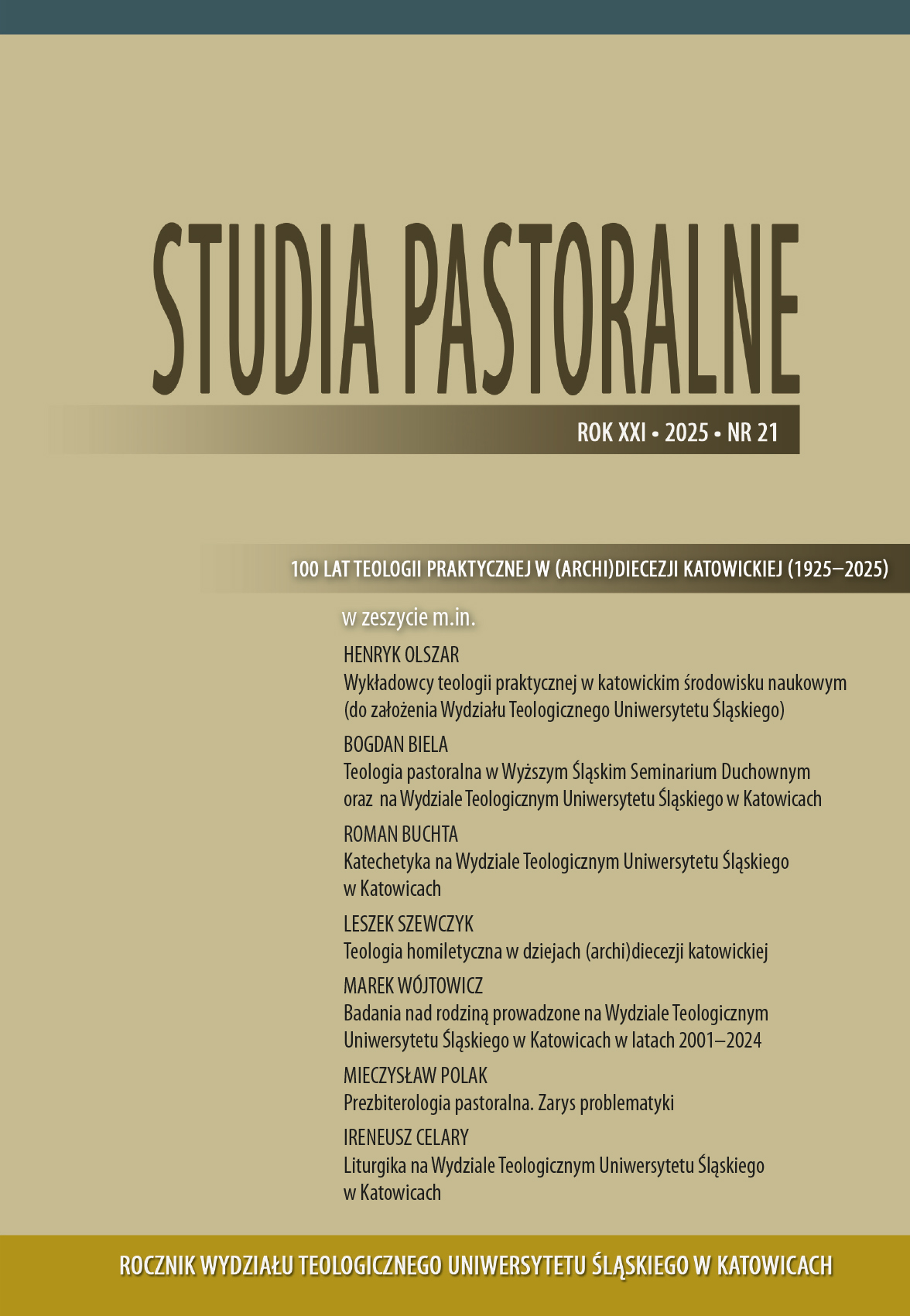
W tekście podjęto próbę syntezy myśli przedstawionej podczas seminarium o przyszłości nauczania teologii w kościelnych instytutach szkolnictwa wyższego, zorganizowanego przez Dykasterię ds. Kultury i Edukacji w Rzymie (6–7 maja 2024). Głównym celem seminarium była odpowiedź na wyzwania stawiane we wprowadzeniu do Konstytucji apostolskiej Veritatis gaudium papieża Franciszka, aby „stało się widoczne w nadaniu studiom kościelnym cech tej mądrej i odważnej odnowy, jakiej wymaga przemiana misyjna Kościoła «wychodzącego». […] Właśnie dlatego teologia musi towarzyszyć zachodzącym procesom kulturowym i społecznym”. Seminarium traktowało teologię z różnych perspektyw, próbując odpowiedzieć na to wezwanie papieża.




 English
 Italiano
 Język Polski
 Deutsch