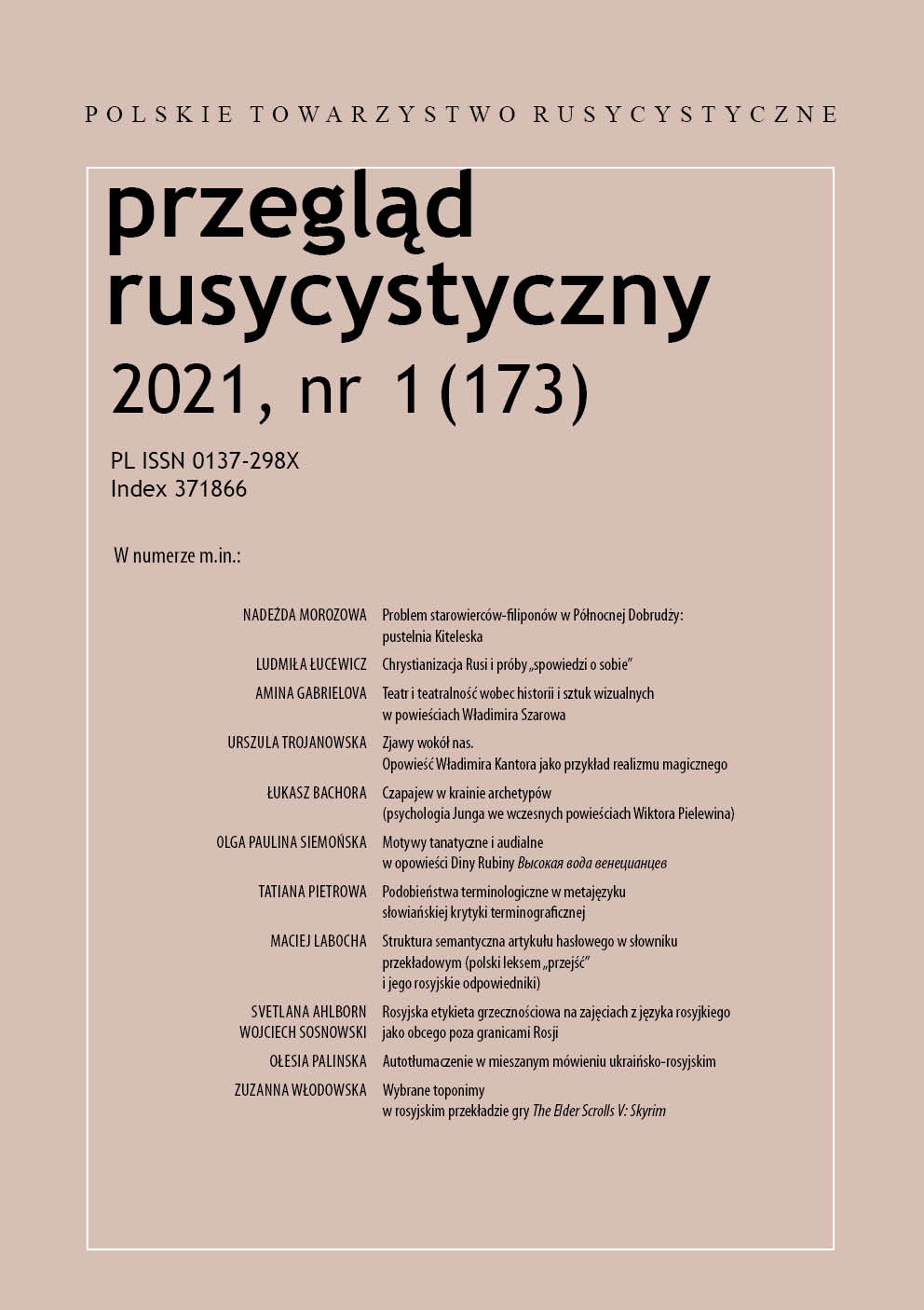
Rosyjscy starowiercy-baezpopwcy (filiponowie/lipowanowie) w Rumunii byli znani od dawna. Równocześnie materiałów na ich temat praktycznie nie ma. Celem artukułu (na podstawie analizy źródeł rękopiśmiennych i rumuńskich realioznawczych materiałów) jest wprowadzenie do obiegu naukowego nowych danych dotyczących istnienia ich pustelni w Północnej Dobrudży w drugiej połowie XIX wiek. W artykule wykorzystane zostały metody opisowe, komaratystyczne i interpretacyjne. W kilku filipowskich rękopisach wspomniana została nieznana dotąc "Pustelnia Kiteleska" znajdująca się "za Dunajem". Dane odnalezione w dokumnetach filipowców pozwalają uznać tę pustelnię za bezpopowski monaster we wsi Tikileszti, położonej na prawym brzegu Dunaju w żudecu Tylcza. Wiemy dziś o dwuanstu mieszkańcach tej pustelni, którzy przebywali tam w różnym czasie, najpewniej od połowy lat pięćdziesiątych co najmniej do połowy lat siemdziesiątych XIX wieku. Potem pustelnia w Tikileszti przestała istnieć, a na jej miejscu zorganizowano leprozorium.
Artykuł poświęcony jest zjawisku wyznania jako pierwotnej formie autobiografii. Autorka wiąże próby zrozumienia samego siebie przez człowieka dawnej Rusi z obrzędem pokuty, który zakorzenił się na Rusi wraz z chrześcijaństwem. Próby te rozpatrzone zostały na materiale trzech tekstów: Duchowej gramoty i spowiedzi ihumena Josifo-Wołokołamskiego monasteru Jewfemija Turkowa, Powieści o żywocie Matritija Zielenieckiego oraz Żywota protopopa Awwakuma, Jak dowiedziono, spowiedź niemal zawsze uwarunkowana jest nie tylko potrzebą lub koniecznością pokuty przed Bogiem, ale także próbami zrozumienia własnego życia, stworzenia „historii własnej subiektywności”, na co składają się różne formy „spowiedzi o sobie”. Na poetykę wyznania zastosowaną w tych tekstah składają się także próby autorefleksji, elementy autoanalizy i autobiografizmu, pouczenia, wezwania do religijnej moralności itp. Dzięki przyjęciu chrztu przez Ruś człowiek Starej Rusi zaczął dostrzegać tajemnicę własnej osobowości.
Władimir Szarow (1952-2018), wybitny współczesny pisarz rosyjski, opublikował dziewięć powieści quasi-historycznych. Są to na wpół fikcyjne wersje rosyjskiej historii, niezmiennie sprowadzające się do powtarzających się cykli, czy też – używając ulubionego określenia pisarza – "prób" przemocy. W prozie Szarowa przewijają się wątki teatralne i odgrywanie ról. W powieści Przed i w trakcie jednym z głównych bohaterów jest kompozytor Skriabin. W powieści Próby patriarcha Nikon zleca wystawienie sztuki, misterium o Zmartwychwstaniu, w której zwykli chłopi otrzymują role z Nowego Testamentu i z pokolenia na pokolenie je odgrywają. We wstępnej części powieści bohaterowie uczestniczą w sztukach Czechowa, natomiast główna część poświęcona jest akcji oratorium. W tych dwóch ostatnich powieściach kilkoro bohaterów to dyrektorzy teatrów. Artykuł przekonuje, że teatr jest dla pisarza nie tylko trafną metaforą ludzkiej historii, ale także podstawową zasadą ontologiczną, ponieważ przedstawienie teatralne można opisać i udokumentować, ale nigdy nie da się go odtworzyć w dokładnie takiej samej formie. Artykuł pokazuje, w jaki sposób w twórczości Szarowa artyści graficy, dramatopisarze, reżyserzy i aktorzy mają możliwość i moc odgrywania różnych wersji wydarzeń historycznych. Życie i sztuka w jego pracach naśladują się nawzajem w postaci niekończącego się łańcucha wariacji i prób – szeroko rozumianych "powtórzeń", czyli rewizji, remake'ów, kontynuacji i reinkarnacji.
W artykule utwór Władimira Kantora rozpatrywany jest w perspektywie realizmu magicznego. Szczególna uwaga zostaje skierowana na współistnienie w jednej przestrzeni różnych warstw i wymiarów istnienia. Zgodnie z realistyczno-magicznym postrzeganiem świata, jego obraz u Kantora jest w pełni realny, ale nie ograniczony poprzez materię czy zasady fizyki. Siła nieczysta wpływa na los głównego bohatera i jego bliskich, on zaś próbuje zrozumieć jej istotę i rolę, a także podejmuje z nią walkę. Również kategorie czasu i przestrzeni, a przede wszystkim sytuacja narracyjna opowieści, odpowiadają fundamentalnym cechom tekstów zaliczanych do realizmu magicznego.
W artykule podjęto próbę spojrzenia na wczesną twórczość powieściową Pielewina przez pryzmat psychologii analitycznej Carla Gustava Junga. Takie spojrzenie uzasadnione jest sygnałami wewnątrztekstowymi, zawartymi przez pisarza w jego twórczości — co pokazano na przykładzie powieści Mały palec Buddy (1996). Rozszerzenie zakresu badań na inne utwory Pielewina — od Omon Ra (1992) do Empire V (2006) ze szczególnym uwzględnieniem Generation P (1999) — pozwoliło ukazać psychologiczne jądro tematyczne twórczości pisarza, to jest — centralny także dla samej myśli Junga — proces indywiduacji.
Utwór Diny Rubiny Высокая вода венецианцев (1999) wyróżnia na tle tekstu weneckiego literatury rosyjskiej dzięki szczegółowym opisom krajobrazu dźwiękowego miasta. Celem artykułu jest analiza fonosfery weneckiej w opowiadaniu Rubiny z wykorzystaniem sensorycznej geografii literackiej, a także sound studies (badań nad dźwiękiem). Analiza poszczególnych opisów zjawisk dźwiękowych ujawnia, że przyczyną, dla której Rubina zwraca szczególną uwagę na audiosferę miasta, jest przede wszystkim muzyczne wykształcenie pisarki. Okazuje się również, że obraz Wenecji, w tym jej audiosfery, ukazany jest w tekście przez pryzmat tradycji literackiej, zgodnie z którą Wenecja jest przedstawiana jako „miasto śmierci”, „miasto umierające”, „miasto umierających”.
The article deals with the issues related to the formation of terminographic criticism as an independent section of terminography. There are no clear boundaries in the metalanguage of terminographic criticism. We conclude that the terminological parallels in the synchronously compared Slavic metalanguages of this direction are formally identical, with absolutely the same semantic structures. It is established that Ukrainian and Belarusian meta-units more often coincide in form than Russian and Polish terms do. In the metalanguage of Slavic criticism, which is under consideration, foreign units prevail. The metalanguage of Ukrainian criticism is rich in synonyms; it is characterized by single intralinguistic homonymy. The identity of the Ukrainian metalanguage, in contrast to the Russian and Belarusian languages, tends to preserve the traditions of national term formation and to adapt borrowed units.
W niniejszym artykule autor proponuje semantyczną analizę konfrontatywną polskiego leksemu przejść oraz jego rosyjskich odpowiedników – пройти i перейти, a także zestawienie takiej analizy z odpowiednimi artykułami hasłowymi w wielkich słownikach polsko-rosyjskich i rosyjsko-polskich. Celem analizy jest określenie optymalnej sekwencji znaczeń leksemu przejść, odpowiedni dobór ekwiwalentów, a także systemowo adekwatna i pragmatycznie użyteczna konstrukcja artykułów hasłowych dla wszystkich trzech jednostek leksykalnych.
W artykule została przestawiona analiza użycia form adresatywnych oraz formuł powitań i pożegnań używanych w kontaktach między nauczycielami a osobami uczącymi się języka rosyjskiego jako obcego poza granicami Rosji. Badanie zostało przeprowadzone drogą ankietowania 100 wykładowców języka rosyjskiego jako obcego z 30 krajów świata. W artykule przytaczamy przykłady użycia zwrotów grzecznościowych w korpusach równoległych i sprawdzajamy informację o ich pragmatyce w artykułach słownikowych. Autorzy dochodzą do wniosku, że podczas aktów mowy wpływają na siebie różne językowe obrazy świata i normy grzeczności językowej nauczycieli i uczniów. W trakcie badań dostrzeżono uwarunkowaną kulturowo lakunarność form adresatywnych i przypadki substytucji zwrotów grzecznościowych. Uzyskane wyniki badania można wytłumaczyć dynamicznym rozwojem rosyjskich zwrotów grzecznościowych i brakiem stabilnych norm, które można zaproponować uczniom w procesie nauczania.
Artykuł jest poświęcony autotłumaczeniom w funkcjonującym na Ukrainie mieszanym mówieniu, czyli surżykowi. Autorka przedstawia charakter autotłumaczeń, przyczyny ich pojawienia się i wpływ jaki mają na nie parametry społeczno-demograficzne respondentów. Badania prowadzono przy użyciu metodologii ilościowej i jakościowej na materiale korpusu językowego powstałego na bazie danych zebranych w centralnym regionie Ukrainy.
Niniejszy artykuł stanowi analizę porównawczą wybranych toponimów w grze wideo The Elder Scrolls V: Skyrim w językach angielskim i rosyjskim. Główny nacisk kładziony jest na aspekt semantyczny, w szczególności na różnice semantyczne. W pierwszej części artykułu wyjaśniono typowe strategie tłumaczeniowe w tłumaczeniu gier wideo, w tym aspekty specyficzne dla The Elder Scrolls V: Skyrim oraz ogólnie dla gier. Druga część to analiza porównawcza wybranych toponimów w grze. Autorka komentuje opcje tłumaczeniowe i analizuje ich adekwatność, uwzględniając zarówno aspekty semantyczne, jak i kulturowe.
Oceniony oryginalne wydanie „Rosyjskie przyimki i środki przyimkowe. Materiały do funkcjonalnego i gramatycznego opisu rzeczywistego użycia. Książka 2: Rejestr rosyjskich przyimków: A - B (gramatyka obiektywna)” (Wydawnictwo URSS, Moskwa 2018) o statusie formalno-gramatycznym , ich paradygmaty semantyczne i morfosyntaktyczne, badając ewolucję poglądów autorów materiałów i identyfikując kwalifikujące atrybuty jądrowej, jądrowej, pierwszej strefy peryferyjnej i drugiej strefy peryferyjnej jednostek przyimkowych. Uwzględniono cechy artykułu leksykograficznego w analizowanych materiałach oraz określono cechy kwalifikacyjne statusu jednostek przyimkowych w semantyczno-syntaktycznych i komunikacyjnych strukturach zdań.


 10.31261/pr


 Język Polski
 Русский
 English